
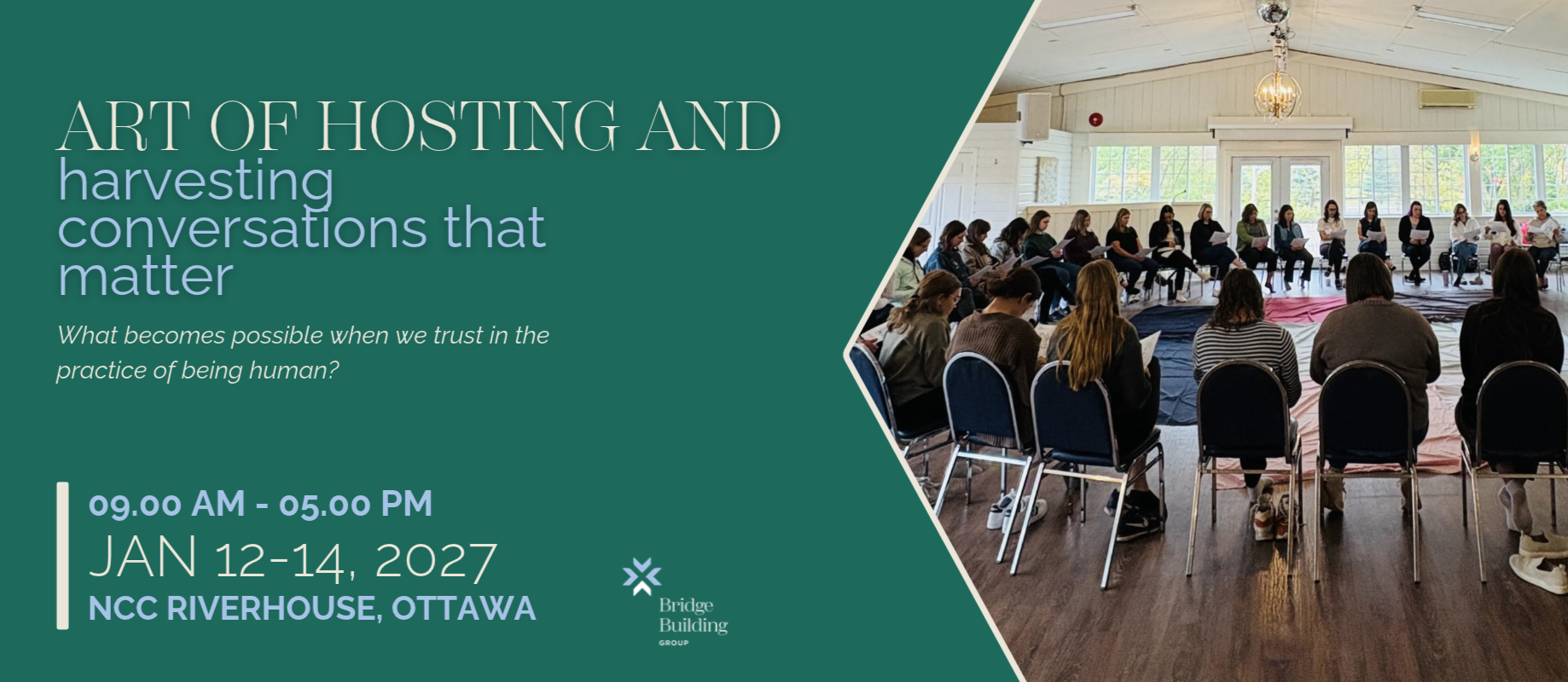
Being human together is a practice. It's built through deep listening, navigating tension openly, and working through uncertainty to find a way forward together. Like any skill, it gets stronger with practice. Come practice with us!
This three-day, hands-on Art of Hosting facilitation training is for people who bring others together to run meetings, lead teams, host community gatherings, or work on complex problems too big for any one person or organization to solve alone.
Why Now?
At Bridge Building Group, we love asking our clients, What is this moment? So we asked it of ourselves.
The context in which our organizations and communities exist, work and live is shifting more rapidly and unpredictably than ever. A lot of what used to take a room full of people can now be done in seconds. But this also raises questions about how we stay connected: to our own thinking, our own creativity, and to one another.
This has made it all the more important for practitioners to lean on uniquely human skills to help us navigate the complexity of our time.
What we'll practice
What happens when we practice slowing down, making room to listen deeply, think together, make mistakes, and stay present when things feel uncertain? When we take time to:
notice what is not being said in a conversation
stay in dialogue when things get uncomfortable, long enough for something new to emerge
imagine together with people who see the world differently from you
do the deep work of staying with conflict long enough to transform your understanding of something.
You'll experience practical ways to design and host conversations where people build on one another's ideas and discover possibilities, exploring both the methods and the thinking behind them.
Questions we’ll explore together:
-
What becomes possible when people are actually in a room together, and how do we protect it?
-
What does it take to trust a group with a question none of us can answer alone?
-
How do we stay human inside systems that aren't built for it?
January 12-14th, 2027, in the NCC Riverhouse, Ottawa
9 am to 5 pm each day · Doors open at 8:30 am for coffee and settling in
Investment
Standard rate: $1,300 + HST.
Community rate: $1,100 + HST, for non-profits, charities or those who need it
Pay it forward: Add any Amount to your registration. Your contribution will help make a spot available for someone who may not otherwise be able to attend.
If cost is a barrier
If cost is a barrier for you, write to us at info@bridgebuilding.ca. We want you in the room, and we’ll work something out together, whether that’s a payment plan or support toward your spot.
Prefer another way to pay?
If you or your organization would prefer to pay by invoice, e-transfer, EFT, cheque, or another method rather than paying by card and incurring ticketing fees, contact us at info@bridgebuilding.ca and we’ll arrange the option that works best.
What is The Art of Hosting
The Art of Hosting is an international community of practice that has been growing for over twenty-five years. It isn't a single method. It's a way of designing and hosting conversations so that groups can think well, decide well, and act together, drawing on participatory methods and on the presence of the person holding the room. Harvesting is the other half of the practice: making sure what a group creates gets captured, shared, and carried into what happens next.
What You’ll Gain
Ready-to-Use Methods. Experience participatory methods such as Circle, World Café, Open Space Technology, ProAction Café, and Collective Story Harvest, including when to use each one and when not to.
Design Skills. How to get clear on the real purpose of a gathering, craft a question worth answering, build a process that fits, and harvest what emerges so the work goes somewhere afterward.
Real-World Application. Bring a real meeting, retreat, consultation, or stuck conversation, and we'll dig into it together.
Presence and Practice. Practices for hosting yourself before you host others: staying present when a room gets tense, being honest about what you don't know, and learning to trust the people in the room.
Community. A community of people curious about the same things, that you can continue to learn with long after the three days are done.
Language. A language grounded in a living systems worldview to help people name and explore complexity without flattening it.
We'll learn by doing: hosting, participating, reflecting, trying things out, and paying attention to what happens in the room. Expect conversation, movement, quiet reflection, laughter, experimentation and lots of practice.
Who Should Attend
This training is for anyone who convenes people: team leads, public servants, community organizers, educators, facilitators, people running boards or committees, and anyone who has sat through one too many meetings and suspects there's a better way.
It's especially for you if:
you run meetings or consultations and want them to produce something people actually own;
you work inside a large system and want ways of working together that feel more human than the system does; or
you're curious, or a bit uneasy, about what AI is changing in your work and want to get clear on what only people can do.
you already facilitate and want to broaden your practice, try new approaches, and bring more joy and life into the rooms you host;
you already practice Art of Hosting and want to deepen your practice in community with others doing this work.
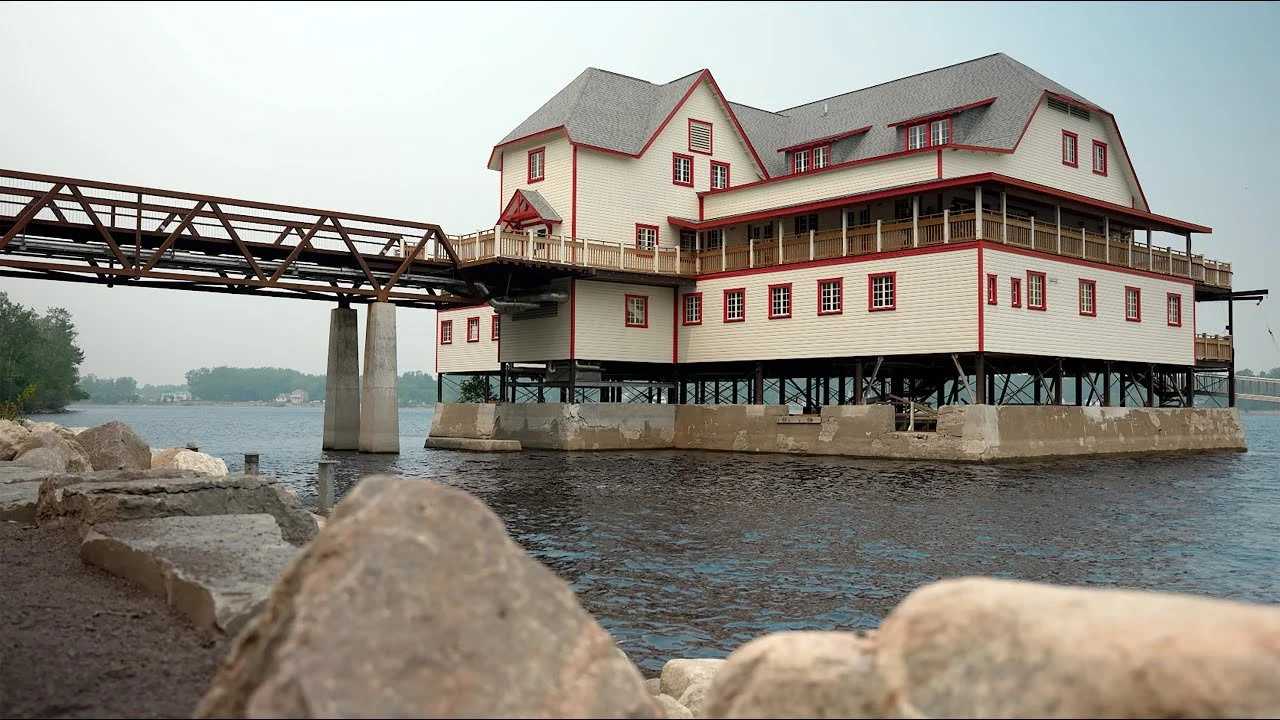
The Venue
We'll gather at the NCC Riverhouse. The venue is fully accessible, and we hope to spend some time outside together too, weather permitting, so come ready for a January walk or conversation in the fresh air.
Coffee, tea, lunch, and snacks are included all three days.
About the Team
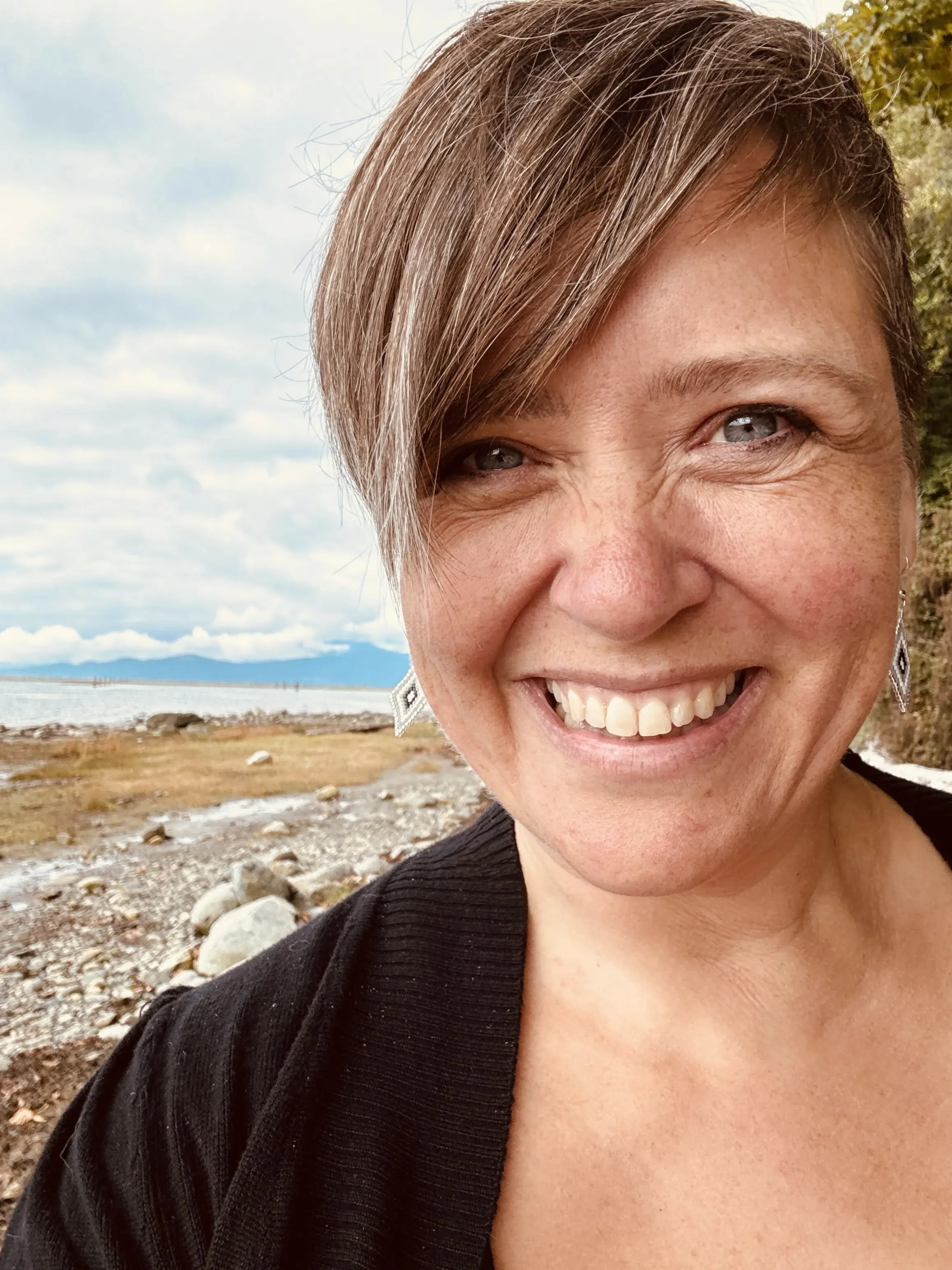
Melissa Hammell
Melissa is a community connector who is passionate about addressing intricate global challenges one cup of tea at a time. Being from a mixed family with strong Anishinabe roots, Melissa carries the responsibility of bringing different worldviews together through deep listening and relationship building. In her role as a consultant she has led reconciliation initiatives and community conversations across Canada. Melissa holds a Bachelor of Arts in Speech Communication from the University of Waterloo and an Integral Facilitator® certificate from Ten Directions. She is on the Board of Directors for both the Wabano Centre for Aboriginal Health, and the Ottawa Riverkeeper.

Jennifer Williams
Jennifer (she/her) is a community-minded facilitator, educator, and process designer. While rooted in a strong background in education, her focus extends broadly across diverse facilitation and collaborative initiatives. As a facilitator with Bridge Building Group, Jennifer works on a wide variety of projects helping teams and communities think together, learn together, celebrate together, and navigate complex challenges. Drawing on over 15 years of experiential leadership, environmental education, and youth polar expeditions, she brings an open, adaptive approach to creating meaningful spaces for human connection and systemic change.
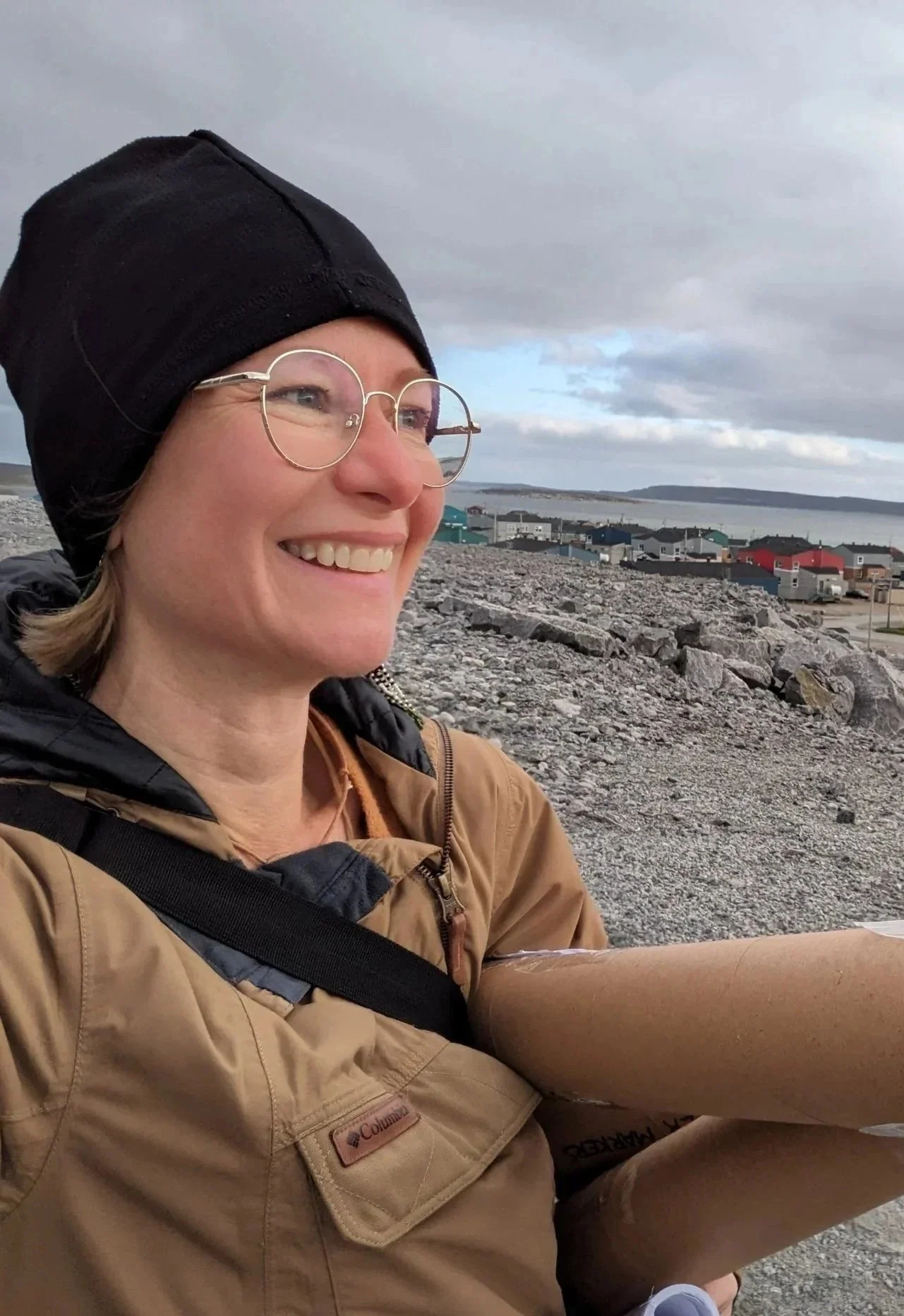
Jessica Plummer
Jessica is an Integral Facilitator® and graphic facilitator with a background in interior design and a passion for inclusive, community-led design. Her work is grounded in deep listening, visual thinking and the belief that the best path forward is shaped with the people who will live, work and gather within it. She helps groups make sense of complexity, surface perspectives and turn conversation into meaningful action. Born and raised in Ottawa, with settler and Anishnaabe heritage, Jessica values storytelling and story-sharing as powerful tools for building trust, understanding and stronger communities.
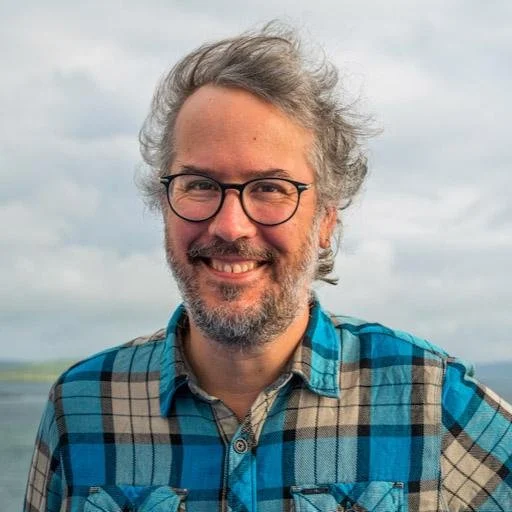
Cédric Jamet
Cédric (he / him) joyfully teaches Human System Intervention at Concordia University, building capacities of change practitioners. He weaves his 15+ years experience in the Innovation, community and higher education sectors, leveraging dialogue and complexity-based approaches to help teams, organizations and communities as they invent new ways to learn, do and live together. A seasoned Art of Hosting practitioner, Cédric is thoughtful in all his work, be it with Indigenous communities or emerging non-profits.
FAQ
-
No. Newcomers and experienced facilitators both belong here, and the mix makes the learning richer.
-
A notebook, a pen, and warm winter clothes and boots. We'll be spending some time outside.
-
Yes. You'll be asked about dietary needs and allergies when you register, and we'll work with the venue to make sure there's good food for everyone.
-
Yes. If you'd like to bring this training to your team or community, we offer tailored workshops. Reach out to info@bridgebuilding.ca to explore what that could look like.
-
This is a great question.
The beauty of Art of Hosting workshops is that participants bring their own questions, their own context, the projects that they work with, their own challenges to the inquiry, and we aim to leverage the methodologies of the Art of Hosting to help them explore these challenges. This creates a rich field where people from different backgrounds and working with different realities can come together and collaborate and exchange wisdom and question their assumptions together.
We learn the methods while using them in conversations that are real - There's nothing simulated in an Art of Hosting training. We also spend time to really look at the patterns that underpin these methodologies, what are the postures, what are the practices. That way, we don't just focus on methodologies and tools, but really aim to support people to find agency and become creative with them, whatever their context might be.
-
No prior experience with Art of Hosting is needed.
Usually the groups that show up in these workshops are really mixed. We often get a mix of people who are new to this work, along with experienced practitioners or people who do facilitation or leadership work, or community organizing work, and are looking for a different set of tools or language. We also welcome people who are really coming from different backgrounds but are eager to discover more about this field because of the work they are called to do and for which they feel they need to be more equipped.
For people who come having already attended an Art of Hosting in the past, it's an opportunity for them to deepen their practice and to get a better understanding of the patterns that sustain this kind of work. For those who are new to this, it will often get them access to a new language (grounded in a living systems worldview), a set of tools they can use (participatory leadership methods and approaches such as open space, world cafe, circle), and a community of practice they can connect and continue to learn with.
-
Attending an Art of Hosting workshop as a small team, having someone else who works with the same questions and works in the same kind of context is actually a really, really good idea.
We have seen how when people who work within the same community or within the same organization attend a workshop together, it can really open a space for you to develop a shared language around participatory leadership, and to bring it back to your context of practice. It then improves the chances of practices taking root and becoming fertile within the organization.